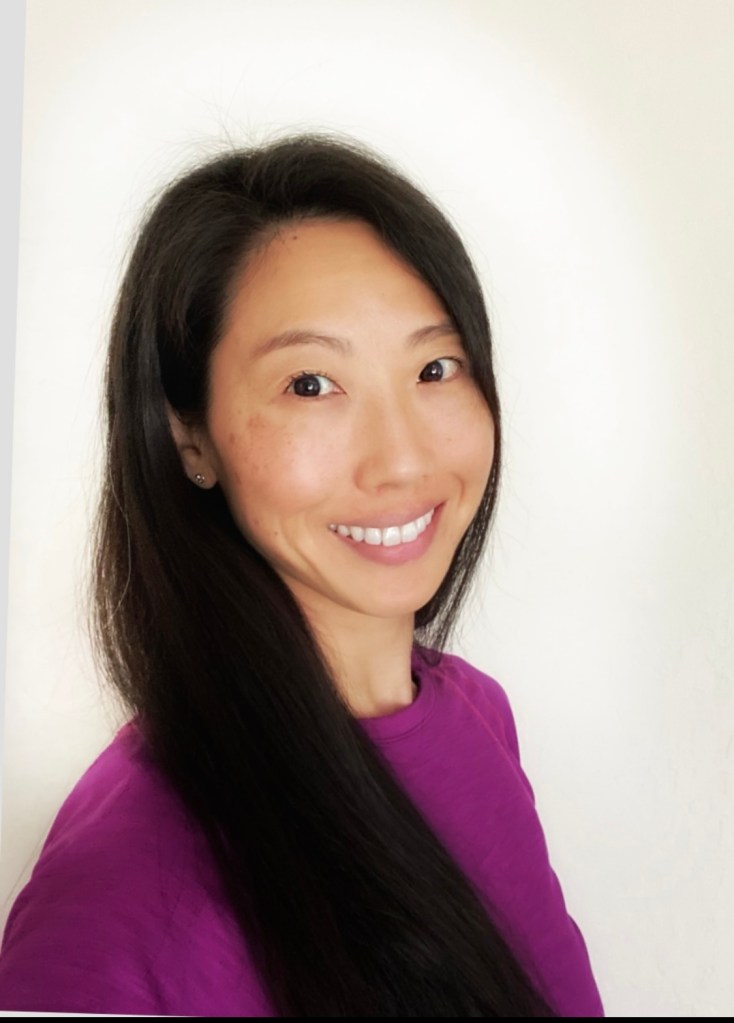
Meet Kim
Kim is a former professional ballet dancer and experienced ballet educator with a career spanning both the stage and the studio.
She trained at the Professional Ballet School in the Bay Area, under directors Carmela and Zoltan Peters — both former dancers with the San Francisco Ballet Company. That training laid the foundation for a professional dance career that included performances with Queen City Ballet Company, Peninsula Ballet Theatre, and Western Ballet Company, where she danced numerous lead and soloist roles.
Alongside her performing career, Kim began teaching in 2006, working with dancers ranging from age 5 through adult. Over nearly two decades, she also taught at Queen City Ballet Company’s school, sharing the same training and artistry she developed on stage with the next generation of dancers. She retired from professional performing in 2020, and has continued focusing fully on teaching since.
Why I Teach the Way I Do
Years of both performing at a high level and teaching dancers of every age taught me something simple: clarity and structure matter just as much as passion. The best classes aren’t the ones with the most complicated combinations — they’re the ones where every step has a clear purpose, and every dancer understands exactly what they’re working toward.
That philosophy is at the heart of every class package I create — thoughtfully sequenced, musically grounded, and genuinely ready to teach, so you can focus on what matters most: your students.
The Story Behind Kim Cant Coaching
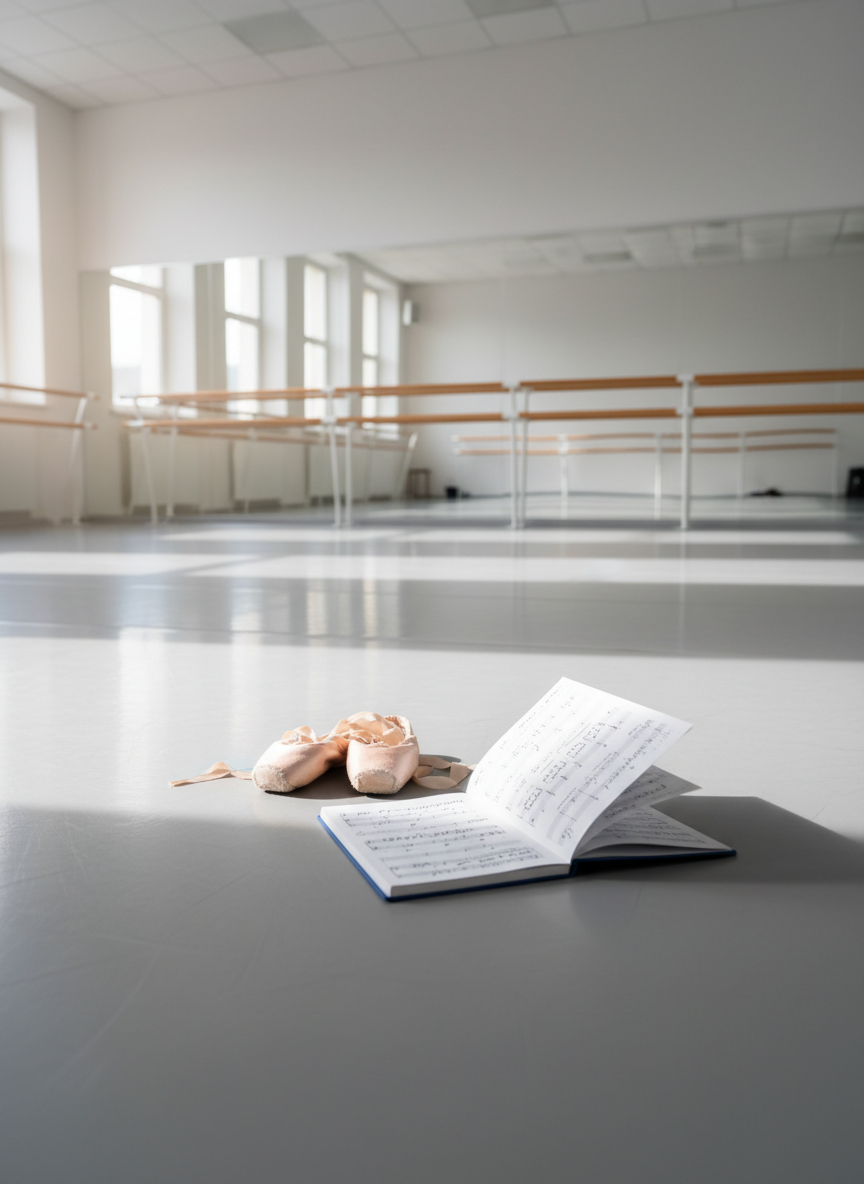
I’ve always been the kind of teacher who gets a little too excited about a piece of music. There’s something about finding the exact moment in a phrase where a combination should land — where the choreography and the melody meet — that I genuinely love. That’s really where KimCantCoaching began.
Every class I write starts with that same spark. For younger or newer dancers or seasoned dancers, that means combinations that repeat just enough to build strong, confident habits, while still feeling playful enough to hold their attention. As dancers grow and progress, those same combinations evolve into something closer to real choreography — short, musical sequences that ask them to bring more of themselves into the movement.
Because to me, ballet isn’t just about clean lines and correct technique, though that foundation matters deeply. It’s also about artistry — the part where technique turns into expression. My goal with every class is to give dancers both: the discipline to move correctly, and the freedom to move beautifully.
My hope goes beyond the students in the room, too. I hope these classes inspire other teachers to get more creative with their own combinations — to see musicality and structure not as limitations, but as a starting point for something more expressive and alive in their own teaching.
That’s what you’ll find in every package here.

